Choosing Between Diesel Generators and Portable Power Systems for Jobsite Power
When a jobsite lacks mains power, the decision between a traditional diesel generator and a modern portable power system can shape the workflow, budget, and even the crew's comfort. Both options supply the electricity needed to run tools, lights, and temporary equipment, but they do so in fundamentally different ways. Understanding those differences helps a contractor or site manager pick the right tool for the job without overspending or running out of power at a critical moment.
How Each System Works
A diesel generator burns fuel to spin an alternator, producing AC electricity as long as the engine runs. It is a mature technology that has powered construction sites for decades. The engine speed varies with load, but the output is regulated to maintain a stable voltage and frequency. Diesel generators are built for continuous, heavy-duty use and can supply high starting currents for motor-driven tools like compressors and saws.
Portable power systems, sometimes called battery power stations or solar generators, store energy in lithium-ion or lead-acid batteries and convert it to AC through an inverter. They produce no exhaust, run silently, and require no fuel deliveries. They are relatively new to the industrial equipment market but have become common on sites where noise, emissions, or fuel logistics are a concern. Their rated output is typically lower than that of a comparably priced diesel generator, and runtime depends on battery capacity and the load drawn.
Rated Output and Starting Current
One of the first specifications to compare is rated output, measured in watts or kilowatts. A diesel generator can deliver its rated power continuously and often handles short surges of two to three times that amount when motors start. That surge capacity, known as starting current or inrush current, is critical for tools like circular saws, pumps, and conveyors. If a portable power system lacks enough inverter capacity to handle the starting current of a large motor, the tool may not start at all, or the system may trip its overload protection.
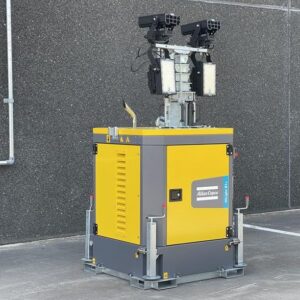
Portable power systems have improved their surge ratings in recent years, but they still cannot match the brute-force starting capability of a diesel generator of similar continuous wattage. For a jobsite running multiple heavy tools simultaneously, diesel often remains the practical choice. For lighter work, such as charging batteries, running lights, and operating small hand tools, a portable power system can manage without the noise or fumes.
Fuel Consumption and Runtime
Fuel consumption is a direct operating cost for any generator. A diesel engine's efficiency varies with load; running a large generator at a fraction of its capacity wastes fuel and can cause wet-stacking, a condition where unburned fuel accumulates in the exhaust system. That can lead to maintenance issues and reduced performance over time. Matching the generator size to the actual load is important, but on a dynamic jobsite, the load changes constantly.
Portable power systems have no fuel consumption in the usual sense. Their energy cost is the electricity used to charge them, plus the eventual replacement of the battery cells. Runtime depends entirely on battery capacity (measured in watt-hours) and the power drawn by connected equipment. A 2000 watt-hour unit running a 500-watt load lasts about four hours. For all-day use, the system needs either a large battery bank or a way to recharge during the day, often from solar panels or a small generator. That trade-off can make battery systems less convenient for long shifts unless the site has access to charging infrastructure.
Noise and Emissions
Diesel generators produce noise levels that can exceed 80 decibels at full load, which is loud enough to require hearing protection and to disturb nearby residents or office workers. Many urban jobsites or nighttime operations enforce strict noise limits that make a diesel generator impractical. Exhaust emissions are another consideration; diesel fumes contain particulates and nitrogen oxides that can affect air quality in enclosed or semi-enclosed spaces. The industrial equipment used on a site must comply with local environmental regulations, and a diesel generator may need additional ventilation or exhaust treatment.
Portable power systems are virtually silent and produce zero emissions at the point of use. That makes them ideal for indoor work, hospitals, schools, or residential areas where noise and air quality matter. The only sound comes from the cooling fans, which are quiet compared to an engine. For a crew that needs to communicate or work near sensitive equipment, the difference is significant.
Power Distribution and Load Banks
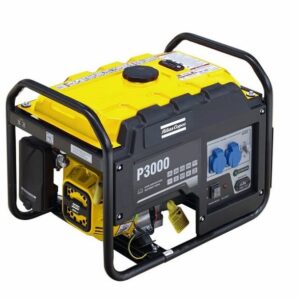
On a typical jobsite, power must reach multiple tools and temporary lights spread across the area. A diesel generator usually provides a single or split-phase output that feeds a distribution panel or a series of outlets. A load bank, which is a set of resistive heaters, can be used to test or load the generator during maintenance. Some generators come with built-in outlets, but larger units require a transfer switch or distribution board to split the power safely.
Portable power systems often include multiple AC outlets, USB ports, and DC outputs. Some models have a power distribution feature that allows linking several units together to increase capacity. However, they rarely support the same heavy-gauge cabling or long runs that a generator can feed. For a large site, running extension cords from a central battery bank may introduce voltage drop issues, so the system must be positioned close to the work area. That can be an advantage in terms of flexibility or a limitation depending on the layout.
Weather and Durability
Construction sites are tough on equipment. Diesel generators are built with heavy steel frames, weatherproof enclosures, and robust alternators. They tolerate rain, dust, mud, and temperature extremes better than most portable power systems, which rely on sensitive electronics and battery management systems. If a battery unit gets wet or overheated, it may shut down or sustain permanent damage. Some portable power systems are rated for outdoor use with IP65 or higher enclosures, but they still require more care than a diesel generator.
That said, a diesel generator needs regular maintenance: oil changes, fuel filters, air filters, and occasional injector cleaning. Portable power systems require almost no day-to-day maintenance beyond keeping the battery terminals clean and the unit dry. Battery life is measured in cycles, typically 500 to 2000 full charge-discharge cycles before capacity degrades noticeably. For a rental fleet or a site that runs equipment daily, the total cost of ownership may favor one or the other depending on how the equipment is used and maintained.
When Each Makes Sense
For jobs that demand high continuous power, such as running multiple heavy tools, pumps, or temporary HVAC units, a diesel generator remains the standard. It is also the better choice for remote sites where refueling is easier than finding a charging source. The ability to run for days on a single tank of fuel, with only brief stops for refueling, makes it reliable for extended projects.
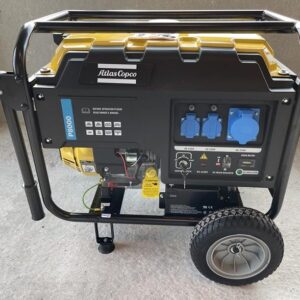
Portable power systems suit sites where noise and emissions are restricted, where the load is moderate, or where the work is intermittent and the system can recharge between uses. They also work well as a backup for critical equipment when the main generator needs maintenance. Many contractors now carry both a small diesel generator for heavy loads and a portable power system for quiet zones or indoor tasks.
When evaluating any piece of industrial equipment for a jobsite, it is wise to consider the full picture: the nature of the load, the length of the shift, the environmental conditions, and the logistics of fuel or charging. There is no universal best choice, but understanding the trade-offs helps avoid downtime and unnecessary expense. The same careful thinking applies to choosing between diesel generators and portable power systems for jobsite use in the industrial equipment sector: each has its strengths, and the right pick depends on the specific demands of the project.